


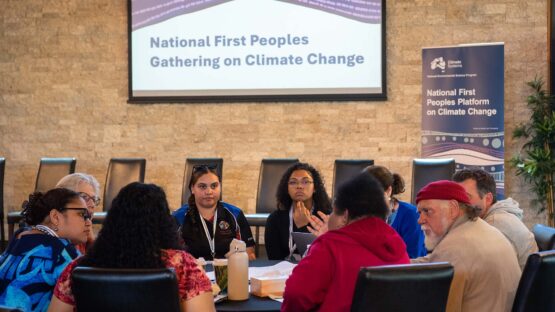

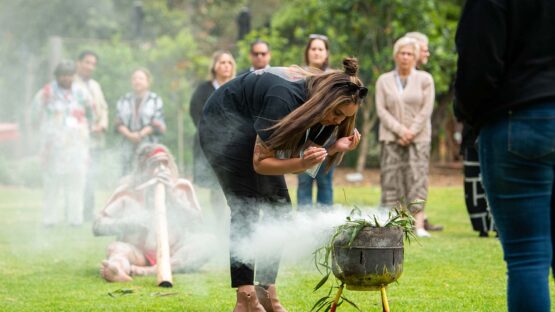

Establishing cultural safety, respect, and ethical practice is fundamental to working with First Nations peoples, particularly where projects may influence community wellbeing, knowledge systems, or Country. To support this, clear mechanisms have been developed to guide ethical engagement, most notably Free, Prior and Informed Consent (FPIC) and Indigenous Cultural and Intellectual Property (ICIP/IPIC).
Free, Prior and Informed Consent
FPIC is a recognised right under the United Nations Declaration on the Rights of Indigenous Peoples. It gives First Nations peoples the authority to give or withhold consent to projects that may affect their community or Country. Consent can be withdrawn at any time. FPIC also enables Indigenous peoples to help shape the conditions under which projects are planned, implemented, and evaluated. More than just a legal principle, FPIC protects sovereignty and ensures Traditional Owners are genuinely involved in every stage of decision-making for the life of the project, not just consulted after decisions are made. It is the foundation of self-determination and true partnership.
Breaking it down
Free: Consent must be given voluntarily without pressure or manipulation. First Nations peoples must not be punished or excluded for expressing different views. To ensure equal participation, they must have fair access to information and the resources needed to engage fully.
Prior: Consent must be sought well in advance of decisions being made. Engagement starts when a proposal is first discussed, not after plans are finalised.
Informed: All relevant information must be shared with First Nations peoples and presented using clear and accessible language and visual communication tools where appropriate. Timeframes must allow for proper discussion with Elders, families and advisors.
Consent: Consent must be freely given, meaningful and respected. Consent must follow community decision-making structures and respect cultural protocols.
Indigenous Cultural and Intellectual Property
ICIP refers to the rights of First Nations peoples to protect their traditional knowledge, cultural expressions, and sacred materials. It includes the right to control how culture is used, to be compensated for its use, and to prevent misuse. ICIP is based on self-determination and should be considered in discussions about FPIC. While FPIC ensures communities are part of decision-making processes, ICIP ensures their culture is respected and protected.