May 22, 2026
The work of the Intergovernmental Panel on Climate Change, better known as the IPCC, is considered one of the most comprehensive, rigorous, on-going and collaborative climate change assessments in the world. While most of us would be familiar with the Assessment Reports released every 7 years, we’re probably less familiar with what happens behind the scenes… How many different types of reports are there? What peer review takes place and how? How are different perspectives handled in the research? How is consensus reached in the writing of the reports? How are the scientist authors selected? And what are some of the motivations for being involved?
As the 7th assessment cycle kicks off, join us for this fascinating discussion panel – our Climate Systems Hub scientists, our Indigenous Facilitator, along with Australia’s secretariat to the IPCC, will share their own insights and experiences on these questions and more.
Wednesday 17 June, 1-2pm AEST
REGISTER HERE FOR THE WEBINAR >
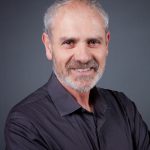
Dr Pep Canadell is a Chief Research Scientist in CSIRO Environment, Chief Lead Investigator in the Climate Systems Hub of the National Environmental Science Program, and the Executive Director of the Global Carbon Project, a global consortium of scientists under the umbrella of Future Earth and a scientific partner of the World Climate Research Programme.
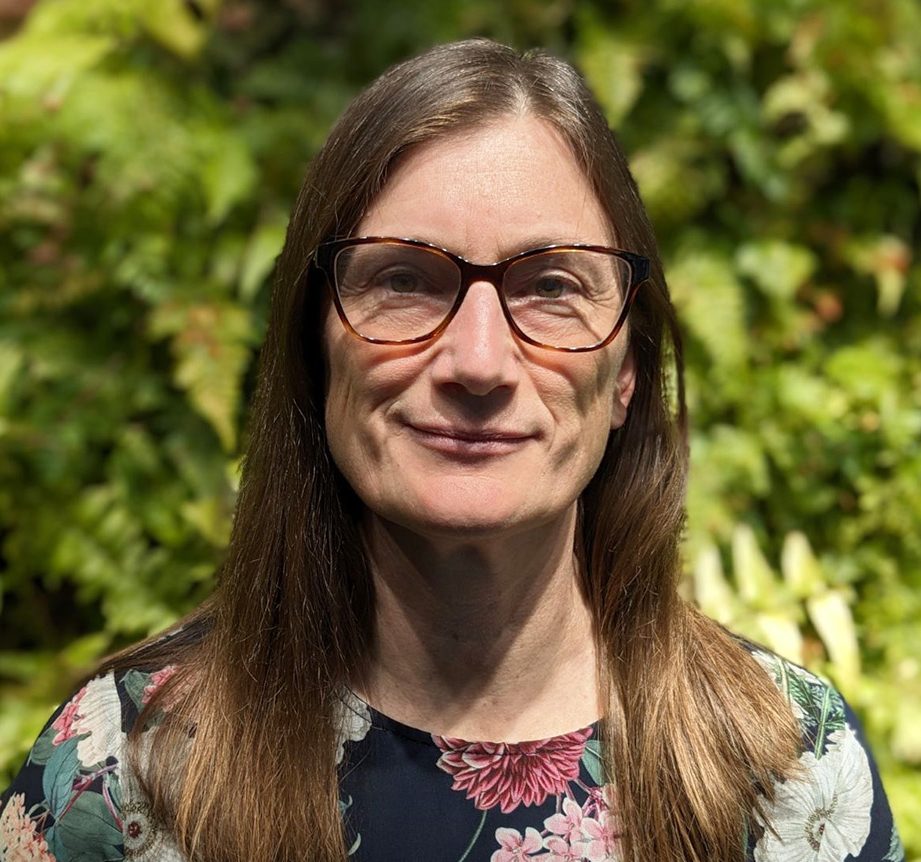
Dr Pandora Hope is a Principal Research Scientist at the Bureau of Meteorology in Australia. She is an authority on climate change, focusing on understanding and attributing climate and weather extremes. Dr. Hope is a lead author of the 6th assessment report of the Intergovernmental Panel on Climate Change (IPCC) and has contributed to various climate initiatives, including the Victorian Water and Climate Initiative.

Dr Tilo Ziehn is the team leader of the Land Surface and Ocean Biogeochemistry team in the Modelling the Earth System group of CSIRO’s Environment Research Unit. He is leading the development of the Earth System Model (ESM) version of the Australian Community Climate and Earth System Simulator (ACCESS) and preparation of the next version of the model, ACCESS-ESM1.6, for the Coupled Model Intercomparison Project phase 7 (CMIP7).

Damian Morgan-Bulled is a proud Yorta Yorta man living on country at Echuca-Moama on the Victoria-New South Wales border. Damian has worked within the cultural heritage and natural resource management field for more than 25 years including stints with the Murray-Darling Basin Authority based in Canberra and the Department of Sustainability and Environment, Victoria. He is currently employed by CSIRO as the Senior Indigenous Facilitator, NESP Climate Systems Hub.

Sean Harte is Assistant Director, Department of Climate Change, Energy, the Environment and Water. He supports Australia’s engagement with the Intergovernmental Panel on Climate Change (IPCC). In this role, he helps facilitate participation by Australia’s climate research community in the IPCC, represents Australia at IPCC plenary sessions, and helps connect IPCC work with policy audiences. He has more than 15 years of experience across climate and environmental policy in Australia and the Pacific