March 31, 2026
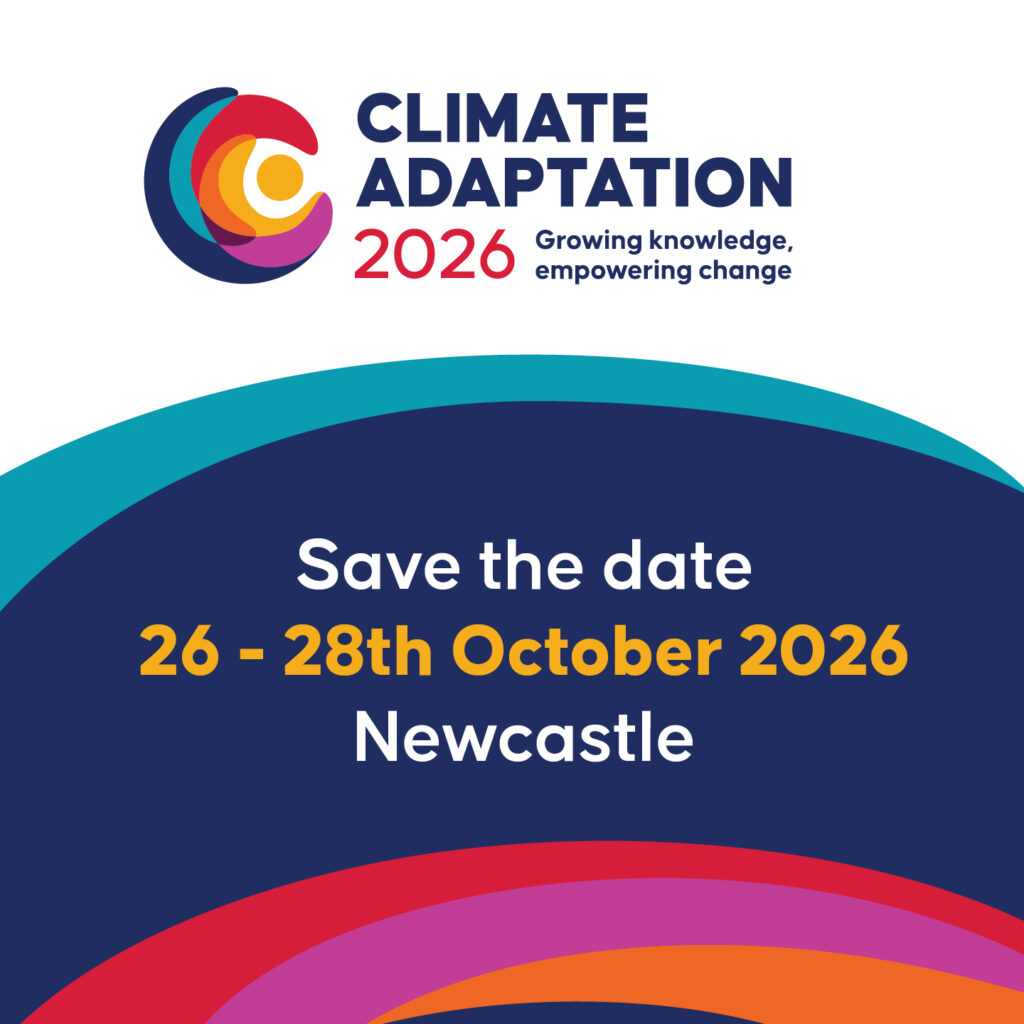
Join us for Climate Adaptation 2026 – an unmissable event helping Australia adapt to the future.
Call for abstracts and registrations open 17 April 2026.
Conference Themes
‘Growing knowledge, empowering change’
Australians have increasing ‘lived experience’ of a changing climate. It tests our economy, our communities, business, policy, social norms, and our natural environment. But we are building the knowledge and data that can help us respond better. Along with a growing body of examples and innovation in adaptation policy, planning and on-ground action, the adaptation community is empowering change in how we live well under climate change.
The National Climate Adaptation conference series is designed to foster a strong network of adaptation practice. We know that investing in people and connection sustains good adaptation.
Call for abstracts
In 2026, we have identified 9 themes that we will soon call for abstracts:
- Urban infrastructure and asset management – preparing and managing the built environment for climate impacts, includes urban planning, energy and water systems, and critical infrastructure.
- Communication, engagement and capacity building – includes strategies to engage stakeholders, build adaptive capacity through community engagement, co-design approaches, education and other creative methods of communication.
- Finance and investment in adaptation – mechanisms to fund adaptation initiatives, assessing economic costs and benefits, and managing funding governance to ensure sustainable investment.
- Health and social wellbeing – impacts on human health and wellbeing, identifying and addressing vulnerability, ensuring equity and justice in adaptation.
- Natural systems for conservation and production – adaptation approaches and innovation for specific nature-based or nature-resourced sectors or solutions. Includes biodiversity conservation, agriculture, fisheries, urban greening, etc.
- Governance – roles, partnerships and frameworks for decision-making and management, including enablers, coordination and transformation.
- Risk assessment and planning approaches – focused on hazards, vulnerability and exposure and designing structured approaches to managing risk.
- Community, connection and Country – grass-roots initiatives, First Nations-led or informed adaptation, community resilience.
- Innovation for adaptation – looking at new and novel approaches to adaptation thinking, use of technological, analytical and participatory tools such as spatial mapping, scenario modelling, digital platforms, gaming and the arts.
More news to follow about how you can register and submit your abstract …