July 8, 2026
Australia’s buildings are designed and operated based on weather assumptions from the past, but what happens when those assumptions no longer hold? The NESP Climate Systems Hub Building for the Future project is tackling this challenge head-on, developing new future climate files that allow building simulation tools to model how structures will perform under the likely conditions of coming decades, including under extreme conditions such as heatwaves. This will help us to understand the implications of our future climate for building thermal comfort, energy use and peak demand. It represents a significant shift for the Australian building simulation industry, paving the way for more climate-resilient, efficient and future-ready design.
Join us for this panel discussion bringing together researchers and practitioners who have been directly involved in co-designing, co-developing and testing these prototype files. You’ll hear about the motivations underlying the project, some of the challenges of co-design, and the learnings from this work, both for the scientists and for the practitioners. It’s a rare opportunity to hear how climate science is being translated into practical tools for building designers, building simulation modellers, assessors and policy-makers.
This work is complex problem solving: a chance to rethink how we plan for a changing climate and ensure Australia’s buildings are fit for the future.
MC: Dr Jaci Brown, NESP Climate Systems Hub Lead
Speakers include:
…More speakers to be announced, including industry representatives who tested the future weather files.

Dr Ramona Dalla Pozza is the Knowledge Broker for the National Environmental Science Program (NESP) Climate Systems Hub at the University of Tasmania. She leads a team of knowledge brokers embedded within state and territory governments, working collaboratively with decision-makers, and researchers to co-design climate research and information products that support evidence-based policy and planning. As the lead of the Hub’s Building for the Future project, Ramona has brought together climate scientists, policymakers and industry practitioners to develop innovative approaches for incorporating future climate projections into the weather files used in building simulation modelling. This work helps ensure that buildings for tomorrow’s climate rather than yesterdays.

Dr Surendra Rauniyar is a Senior Research Scientist at the Australian Bureau of Meteorology. He specialises in climate change, extreme weather, and climate attribution, with a focus on translating climate science into practical information for decision-making. In the Building for the Future project, Surendra led the development of methodologies for creating future typical and extreme weather files that help assess how homes and buildings are likely to perform under future climate conditions.

Dr Steve Watson, is the founder and Managing Director of RED Sustainability Consultants, based out of Hobart, Tasmania. Steve was first trained in the use of NatHERS software back in the year 2000, while undertaking his PhD in Architecture. He has consulted on projects ranging in scale from small single dwellings through to large scale multi-million dollar commercial and institutional projects, and research and policy development work for State and Commonwealth Government agencies. RED Sustainability are currently engaged by DCCEEW to undertake testing work with the NESPs newly developed TMY and XMY climate files to inform potential future use of the files as part of NatHERS assessments.

Dr Anir Upadhyay is a Senior Lecturer in the School of Built Environment at UNSW Sydney. His research focuses on understanding the impacts of climate change on building energy efficiency, with particular focus on residential buildings. He has developed a simplified approach to climate analysis that enables built environment professionals to better interpret climate data used in building energy simulation tools.
Dr Upadhyay’s teaching focuses on environmental responsiveness in architecture and the built environment.

Chris Lockhart Smith is an experienced sustainability and energy efficiency consultant, NatHERS thermal performance assessor, and environmental auditor. Since 2017, he has researched how climate change is affecting residential buildings, with a particular focus on Western Sydney. His work includes assessing how homes perform under future climate conditions, the impacts of extreme heat, and ways to improve building performance and comfort. He holds a Master of Sustainable Built Environment (with Excellence) from the University of New South Wales and operates his own consultancy, Ecodweller.
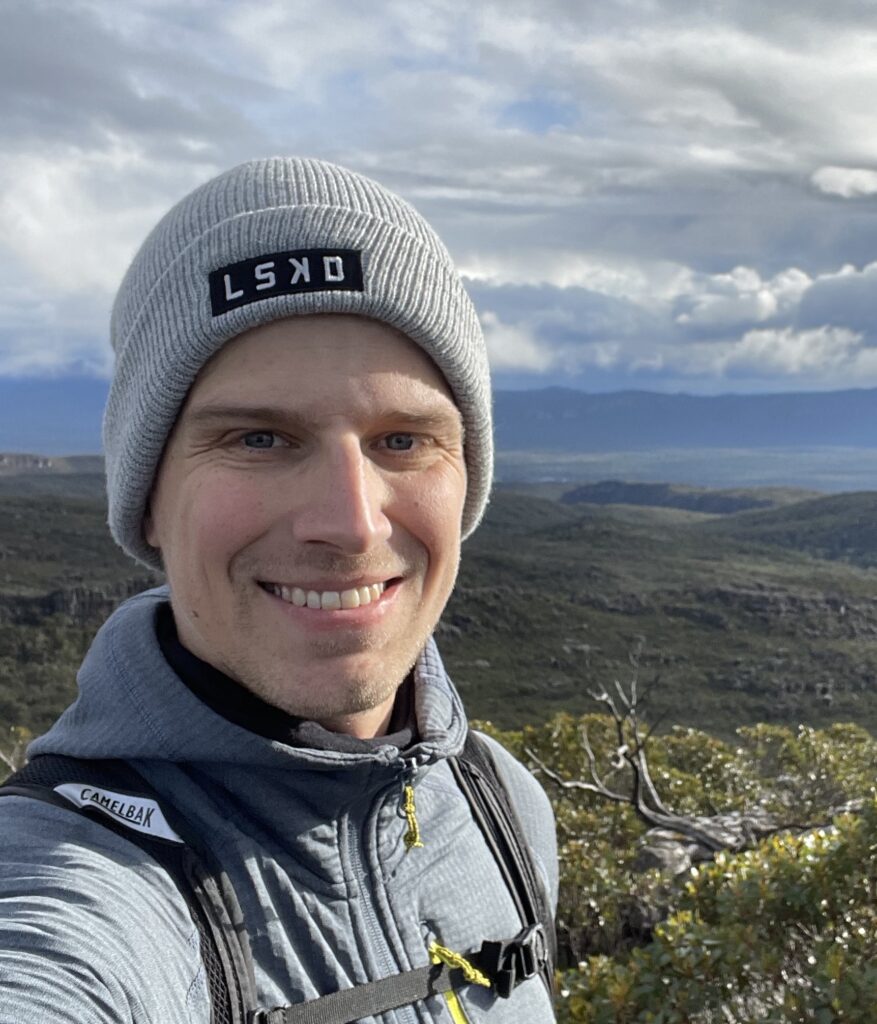
David Hoffmann is a climate scientist in the Climate Projections and Resilience team at the Bureau of Meteorology in Melbourne, where he works on future climate hazards and develops climate information to support decision-making through the Australian Climate Service (ACS) and National Environmental Science Program (NESP2) projects. Within NESP, he leads the data processing and bias adjustment for the Building for the Future project, underpinning the generation of future weather files for assessing building energy performance under future climates. David obtained his PhD from Monash University in 2020, where his research focused on drought in observations and climate models.

Dr. Zhengen Ren is a Principal Research Scientist at the CSIRO Energy Division, a distinguished expert in the development and application of physically-based approaches to climate mitigation, adaptation, and enhancing the resilience of the built environment.
With over twenty-seven years of research experience in energy-efficient and healthy buildings, Dr. Ren has made significant contributions to the field. Dr Ren’s groundbreaking work include leading the development of methodologies and tools for simulating building thermal performance and whole-house energy consumption for both new and existing houses. His innovation includes pioneering the NatHERS benchmark tools, such as AccuRate Home and AccuRate Enterprise for assessing whole-of-home energy performance, the AusZEH design tool for designing and retrofitting zero/low carbon emission housing, and a physically-based bottom-up housing stock energy model.
Within NESP, Dr Ren conducted a comprehensive evaluation of the weather flies developed by BOM against the CSIRO weather files that he previously led a CSIRO team to develop. A conference on this study has been accepted for presentation at the 59th International Conference of the Architectural Science Association 2026.