May 4, 2026
Buildings are typically designed to last 50 years or more, based on assumptions about the climate they will experience over their lifetime. In Australia, tropical cyclones are a known part of that climate risk. Recent seasons, including the paths taken by Tropical Cyclone Alfred, Tropical Cyclone Seroja and even potentially Tropical Cyclone Narelle, are reminders that these systems can affect areas not always considered at risk.
Research suggests that while the total number of tropical cyclones affecting Australia may not increase in a warmer climate, there is evidence they may become more intense and produce heavier rainfall. Observational records show that the latitude of tropical cyclone peak intensity has shifted southward over recent decades, while projections of future trends remain uncertain. In an Australian context, a southward shift of tropical cyclone activity could increase the likelihood of tropical cyclone impacts in more densely populated regions such as southeast Queensland and southwest Western Australia. Severe tropical cyclones have affected these regions in the past, and understanding how risk may evolve is important for long-lived infrastructure.
This webinar sits at the intersection of climate science and engineering to help you better understand what this emerging research means for the built environment. By bringing climate scientists and wind engineers together, the Hub is helping to ensure that building standards and design practices are informed by the latest science, supporting communities to be prepared for current and future tropical cyclone risk.
When: Wednesday 20 May
Time: 1-2pm AEST

Dr Hamish Ramsay, Principal Research Scientist at CSIRO
Hamish Ramsay leads the Extreme Weather and Climate team. Hamish co-led the NESP Climate Systems Hub project ‘Regional Climate Change Guidance for Local Action’. His research focuses on tropical meteorology, mesoscale meteorology, severe local storms, and atmospheric dynamics. A large component of Hamish’s research is on the response of tropical cyclone frequency and intensity to climate variability and change. He works collaboratively across institutes to better understand climate change impacts on extreme weather events, working with stakeholders to assist them in decision making and future planning. Prior to working at CSIRO, Hamish worked at Monash University, where he was a lecturer in the School of Earth, Atmosphere and Environment, and the NASA Goddard Institute for Space Studies in New York, where he was a postdoctoral fellow. He has a PhD in Meteorology from the University of Oklahoma.
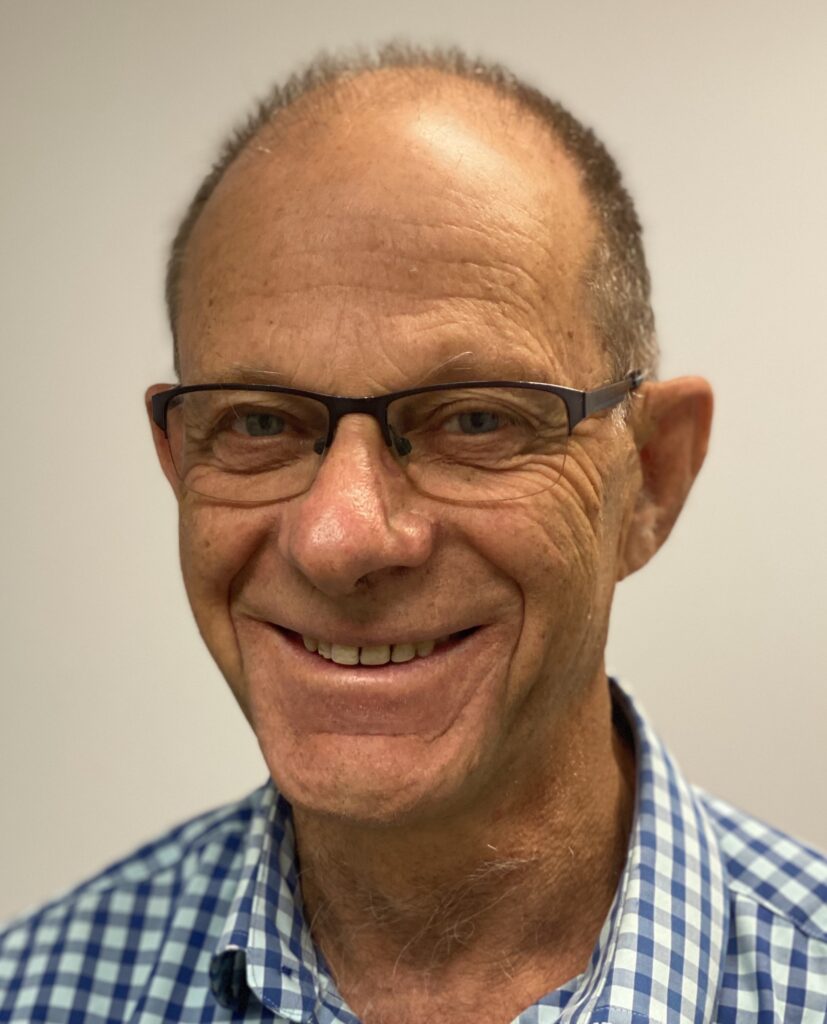
Geoff Boughton, Wind Engineer, James Cook University
Geoff Boughton is an Adjunct Associate Professor at the Cyclone Testing Station at James Cook University. He has worked in a government department, the private sector, and universities during his 45-year career as a structural engineer. His engineering work has focused on improving the resilience of buildings to natural hazards. He has participated in the assessment of buildings following extreme wind events and in research to improve vulnerabilities in Australian buildings. Together with many other dedicated researchers over several decades, Geoff has contributed to changing Codes and Standards to improve the performance of buildings under wind actions.
Geoff has worked on several projects that focus on strata buildings including tools for evaluating the resilience of strata buildings and guides for selecting a safe place to shelter. Geoff is currently working with Standards Australia and the governments in Pacific nations to draft some wind loading standards for our neighbours in the region.
Find out more about how Geoff has worked with the NESP Climate Systems Hub >
